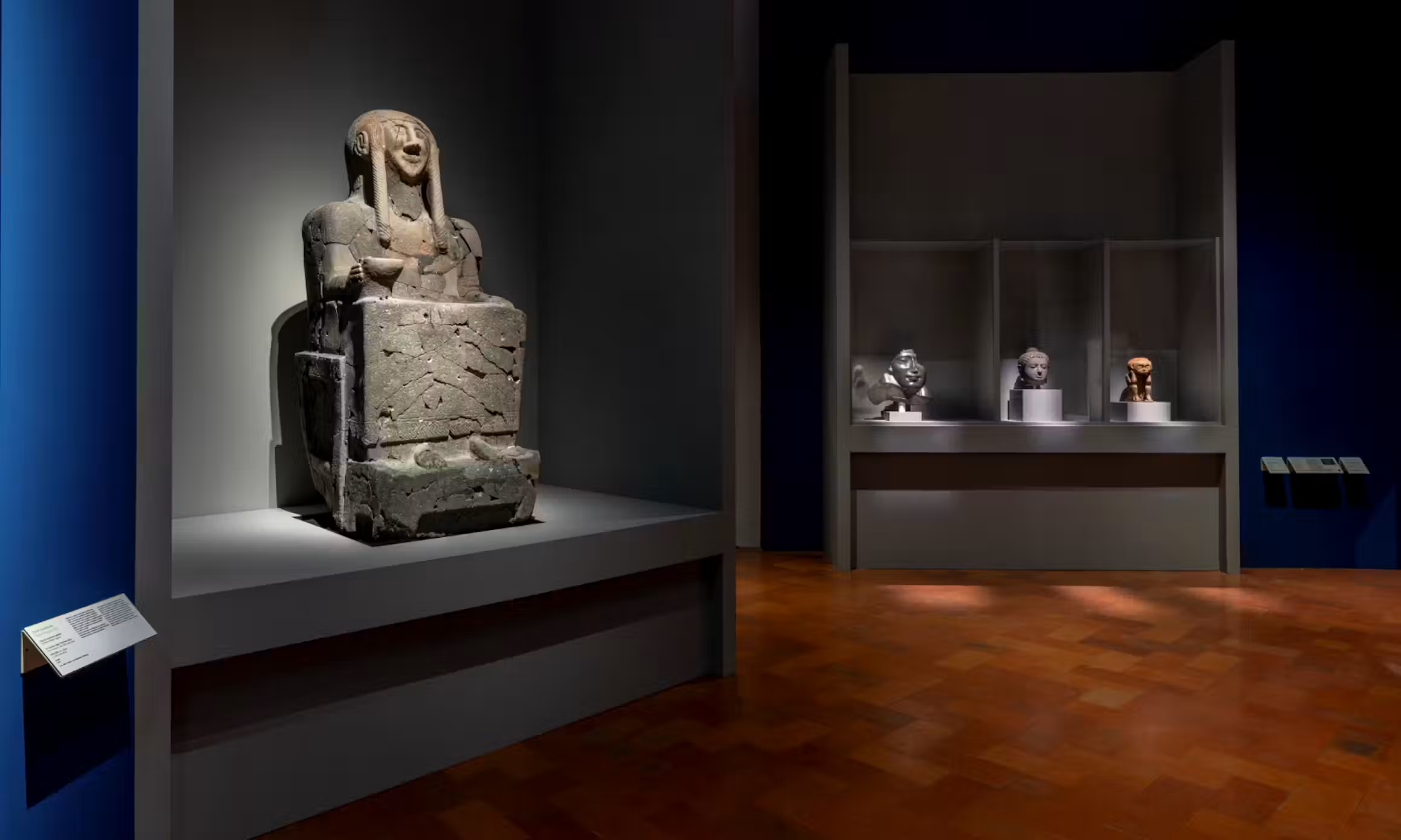

PALAZZO STROZZI: BROKEN – THE POWER OF THE FRAGMENT EXHIBITION
Discover Broken: The Power of the Fragment, the exhibition at Palazzo Strozzi in Florence dedicated to sculpture from antiquity to the present day. From September 25, 2026 to January 24, 2027, admire more than 80 works by artists such as Michelangelo, Rodin and Louise Bourgeois.
A face without a body, a hand separated from the figure to which it belonged, a fragment of marble that has survived through the centuries. These are images we are used to encountering in archaeological museums, often accompanied by thoughts of what has been lost. But what happens when we stop considering them incomplete works and begin to look at them for what they have become?
This is the question from which Broken. The Power of the Fragment arises, the major exhibition hosted at Palazzo Strozzi in Florence from September 25, 2026 to January 24, 2027. An exhibition that spans thousands of years of sculpture history and invites visitors to discover how a break can be transformed into a new form of beauty.
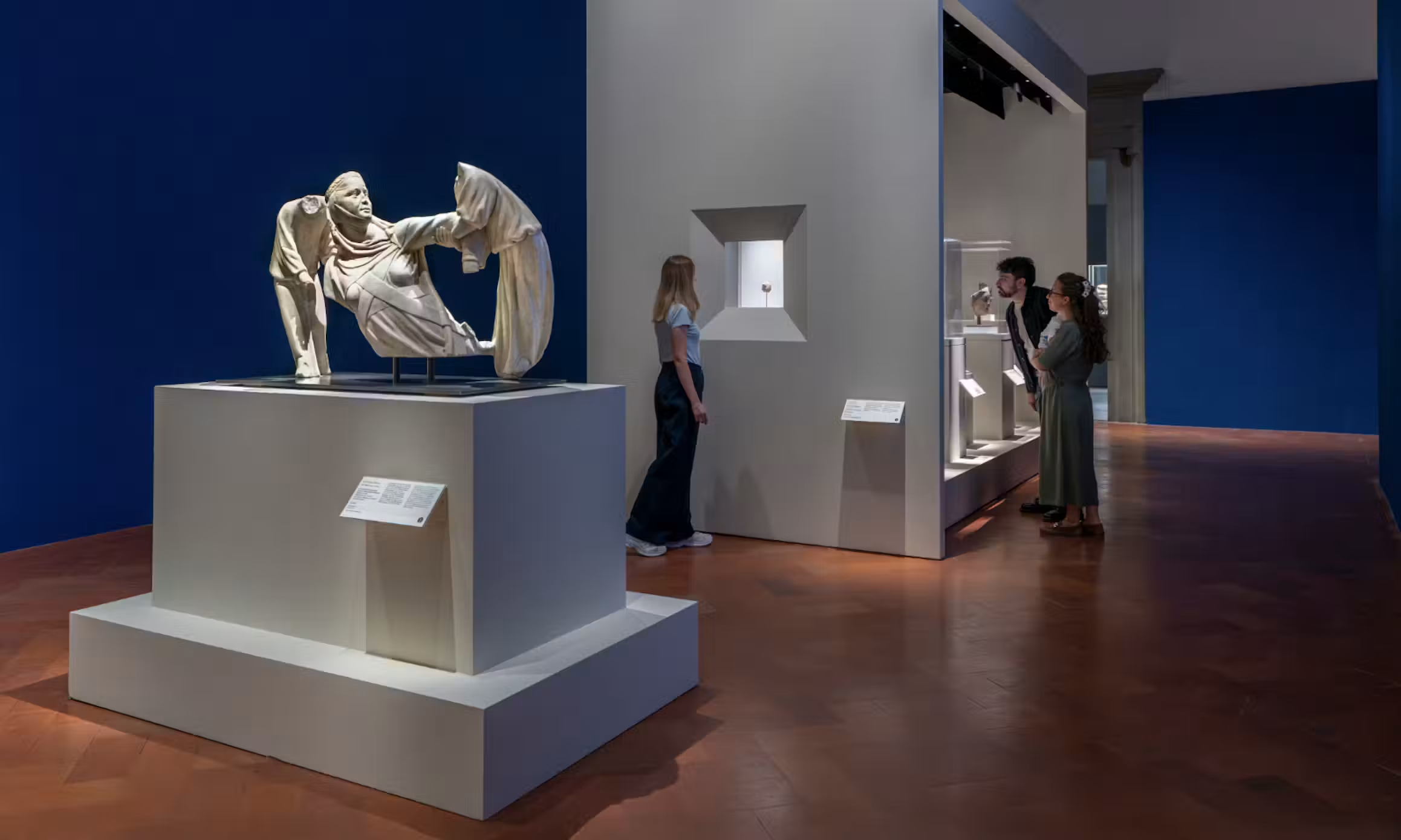
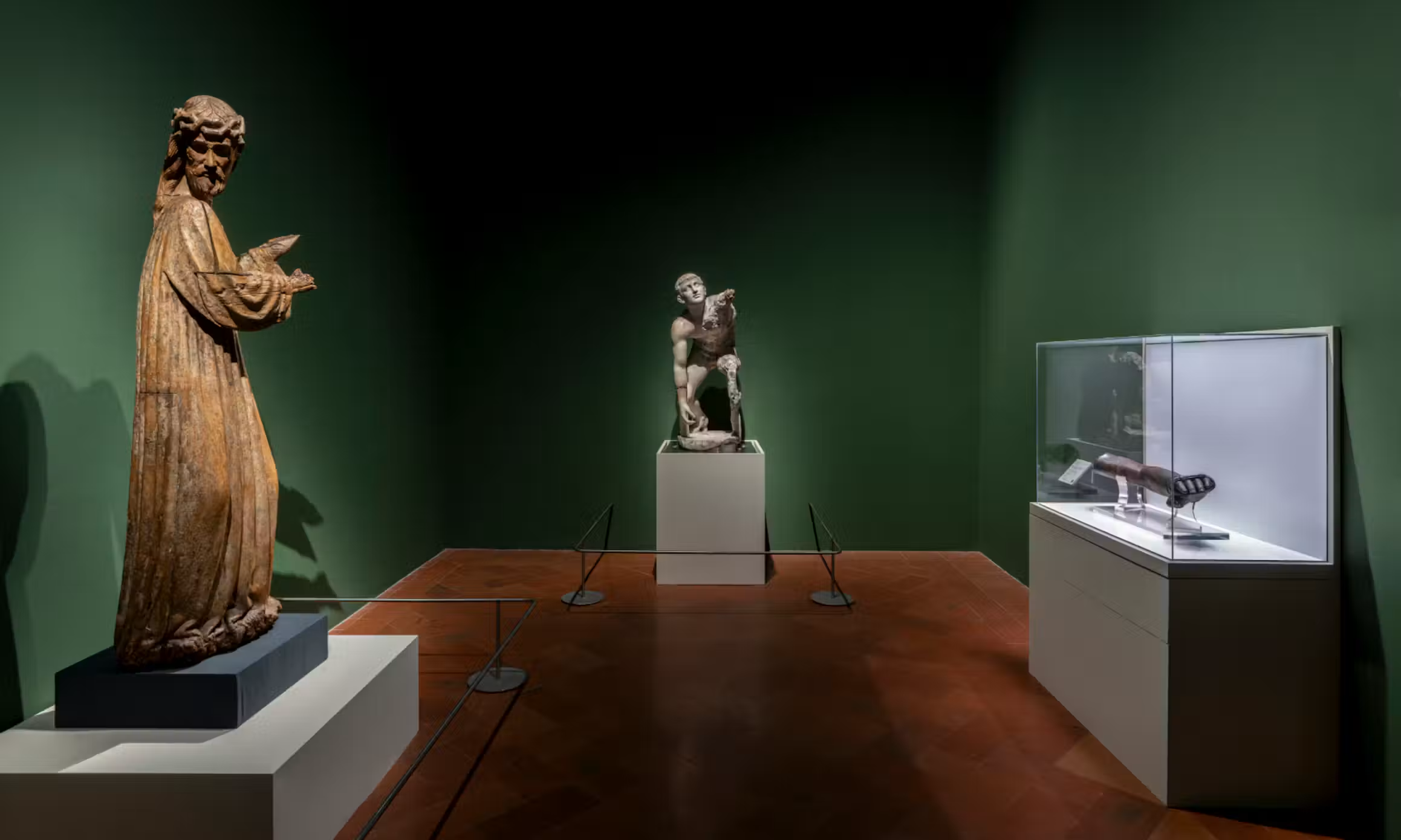
The rooms of the piano nobile of Palazzo Strozzi become the setting of the exhibition, hosting over eighty works from major international museums that narrates stories far different from each other. Artefacts of the ancient Egyptians, classical Greek sculptures, remains of the Roman world and works from the civilisations of America, Africa and Asia. Every one of the fragments retains something from its origin, and something from the past.
The most important ones are Michelangelo, Giovanni Pisano and Auguste Rodin, who have deeply influenced the history of sculpture. Their works cross time and engage with the works of prominent contemporary artists like Louise Bourgeois, Francesco Vezzoli and Danh Vo. The various periods and art languages share around a common theme: a fragment can say more than what is not there.
Not all sculptures have broken by chance. Others bear the scars of wars and revolutions, and of conscious destruction. Others have been affected by natural disasters like the flood that happened in Florence in 1966. Other artists have deliberately selected the fragment as a means of art making, making absence a necessary part of the process.
The exhibition invites viewers to ponder on exactly these specifics. An old surface, a mutilated face or a broken figure can speak about the passing of a civilization, a change in politics or a new art sensitivity. The fragment is no longer just a remnant of something, but is now a witness that can speak to the present.
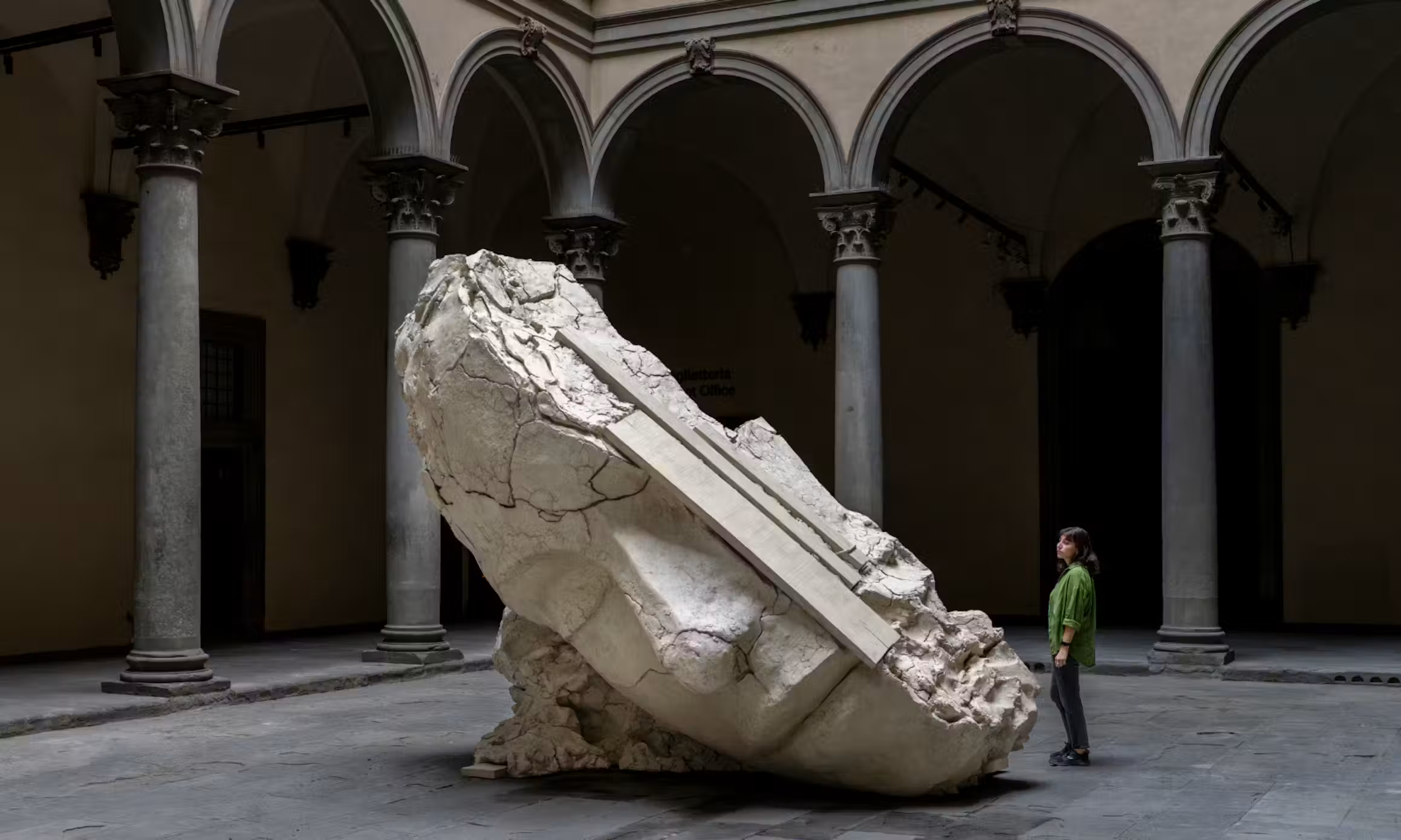
The dialogue between the past and the contemporary also continues in the Renaissance Courtyard of Palazzo Strozzi, where a new installation by the Dutch-Belgian artist Mark Manders, conceived specifically for this setting, finds its place. Its presence creates an encounter between the architecture of the palace and the language of contemporary sculpture, extending the narrative beyond the exhibition rooms.
Organized by Fondazione Palazzo Strozzi together with the National Gallery of Art in Washington,, Broken gathers works on loan from major institutions like the Louvre in Paris, Metropolitan Museum in New York and the British Museum in London. It is an opportunity to see in the same location works that would normally be found in collections and contexts very distant.
The exhibition has left a special atmosphere behind. No longer do the sculptures feel incomplete; each fracture, each missing part has a meaning now. The exhibition turns a new lens on the most familiar of works, redefining beauty as something that can have a new voice in the old time.
To discover this exhibition, you can purchase tickets for the Broken exhibition at Palazzo Strozzi and organize your visit in the heart of Florence. A celebration for anyone who enjoys art, history and artworks that can tell something more than what they show.